By Chris Adams, Environmental Coordinator & Gabrielle Breaux, Marketing Manager
March 17, 2026
This March, Moncus Park is once again participating in the national No Mow March movement. Timed for early spring, this initiative helps protect the first flowers of the season and provides essential support for pollinator communities just emerging from winter hibernation. These early blooms offer critical nectar and pollen, fueling bees and other insects at a time when food sources are limited. It is a simple but meaningful way we continue to put our conservation and stewardship goals into action across the park.
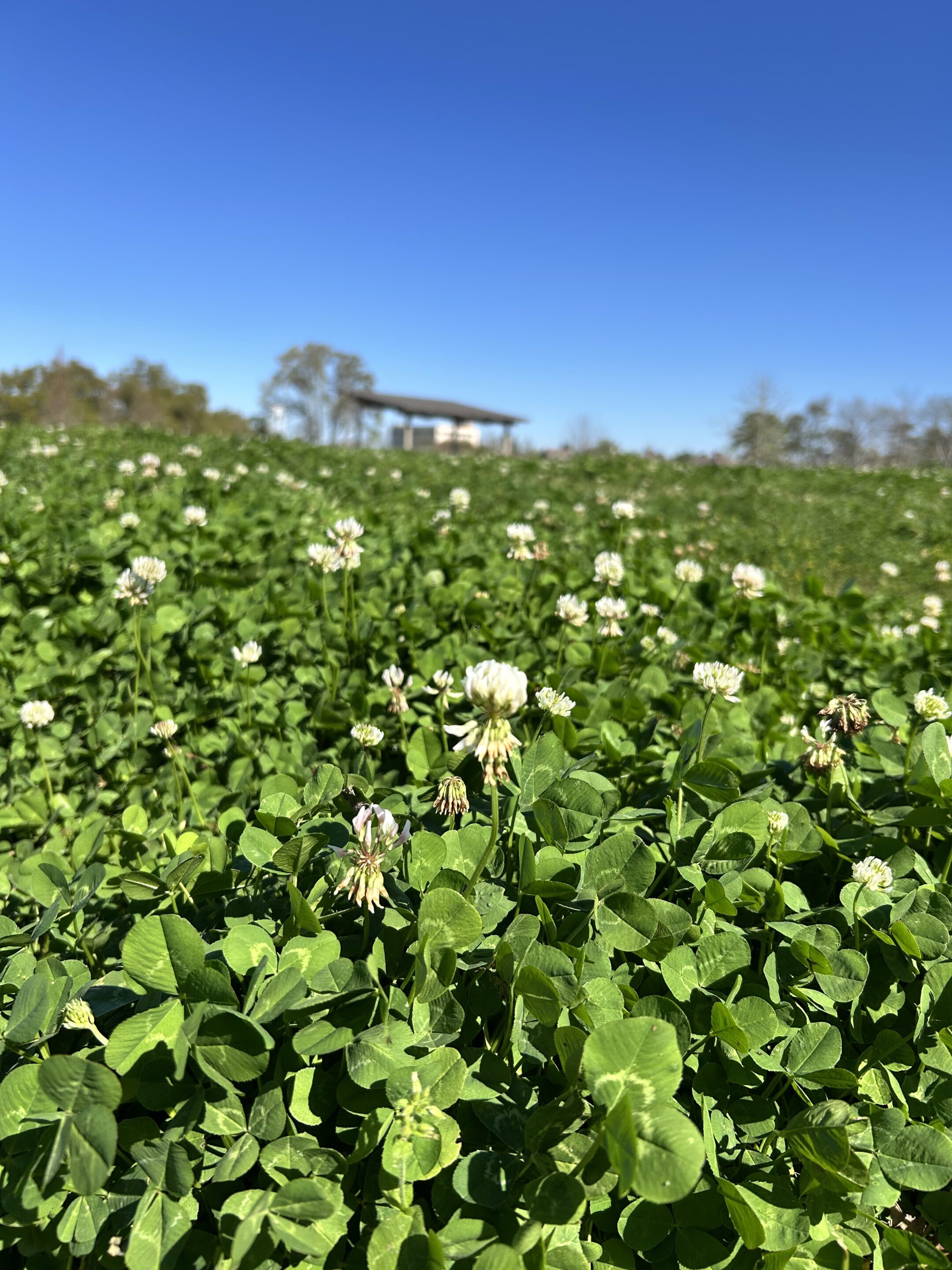
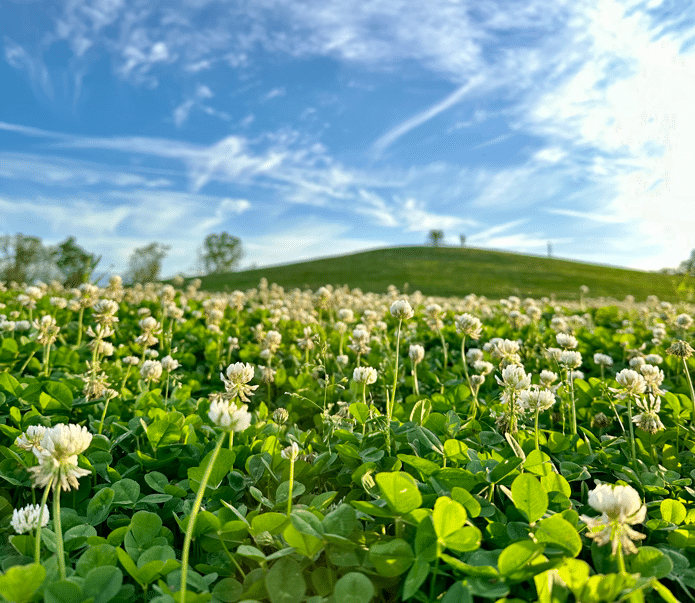
Moncus Park includes approximately 15 acres of lawn space that are typically maintained for picnicking, play, and community events. During No Mow March, we identify select areas where mowing is reduced to encourage the natural growth of clover and other flowering plants. These spaces become valuable feeding grounds for pollinators, supporting them during one of the most important periods of their life cycle.
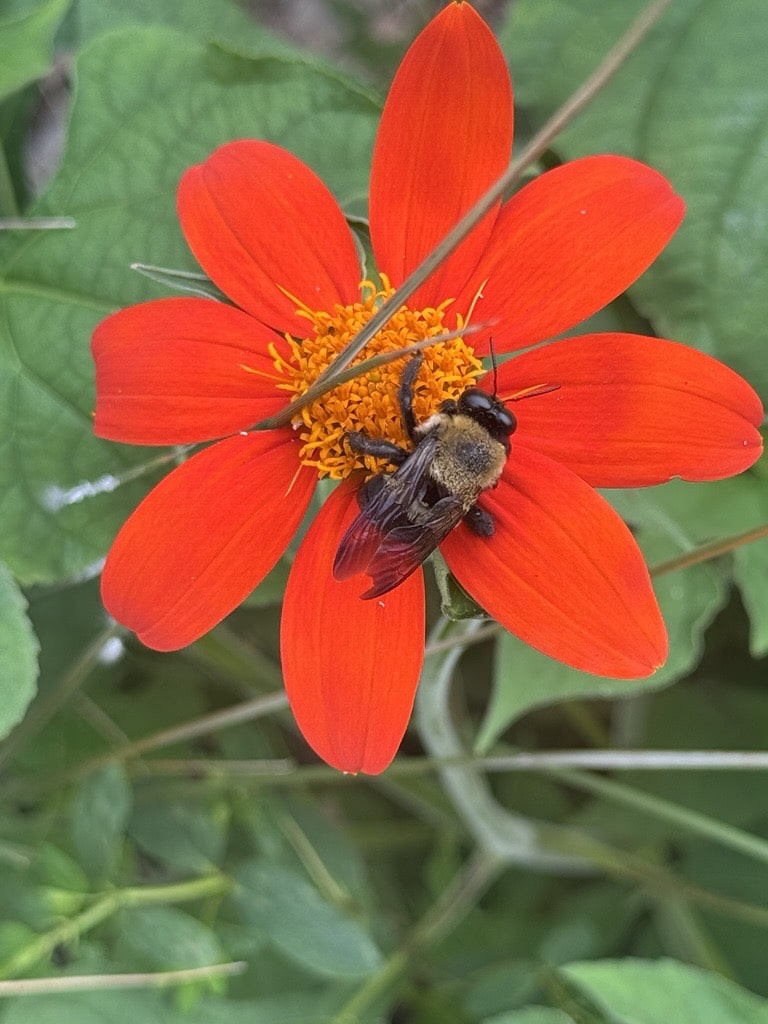
Pollinators play a vital role in our urban ecosystem, and early spring is a critical time for their recovery and growth. In Louisiana alone, there are more than 200 species of bees. While honey bees often get the spotlight, many native pollinators also depend on spring blooms, including bumble bees, solitary bees, butterflies, moths, and other beneficial insects. Each of these species contributes to a healthier, more balanced environment.
The benefits of No Mow March extend beyond pollinators. As insect populations increase, so do opportunities for birds, especially during the spring migration season. Louisiana serves as an important pathway for migratory birds traveling north from tropical regions, and a thriving insect population provides a much-needed food source along the way.
As spring arrives, we look forward to seeing fields of clover in bloom throughout Moncus Park, a visible reminder of conservation in action. You can join us in supporting pollinators at home by planting wildflowers, skipping a mow, or allowing a small section of your lawn to grow naturally. Even reducing mowing to every two or three weeks can significantly increase both the number and diversity of pollinators in your yard.
By embracing No Mow March, we are helping protect and sustain pollinator populations during a critical time of year. It is one more way Moncus Park remains committed to fostering a healthier, more resilient environment for our entire community.