By Gabrielle Keaton Breaux, Marketing Manager
August 14, 2026
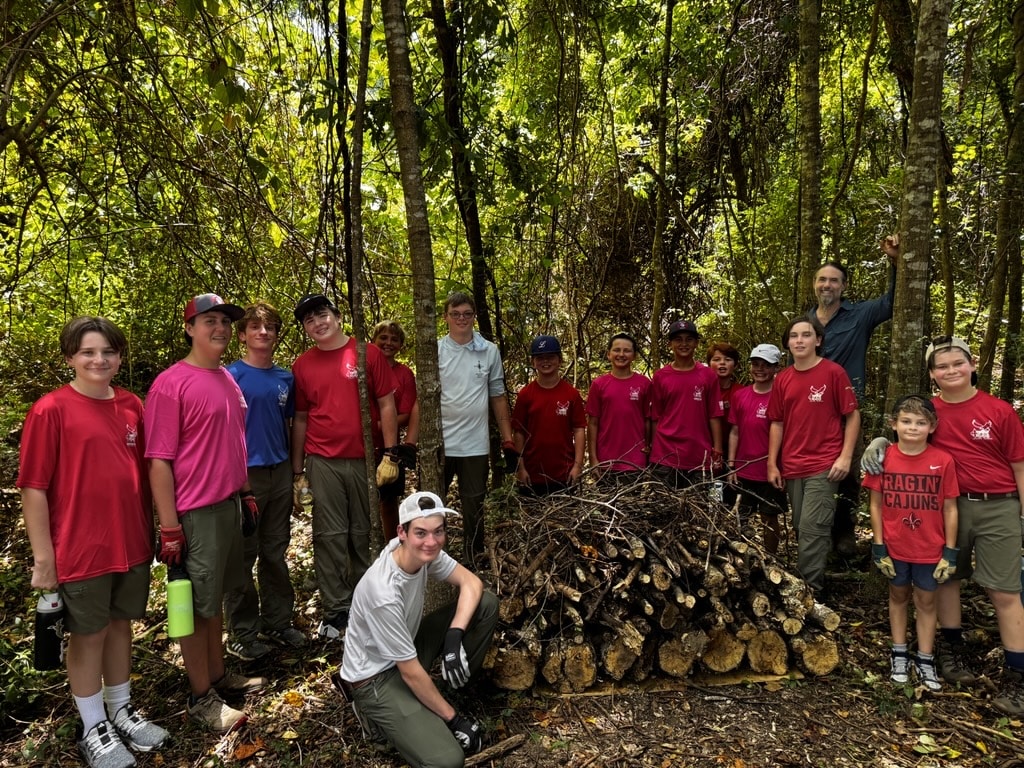
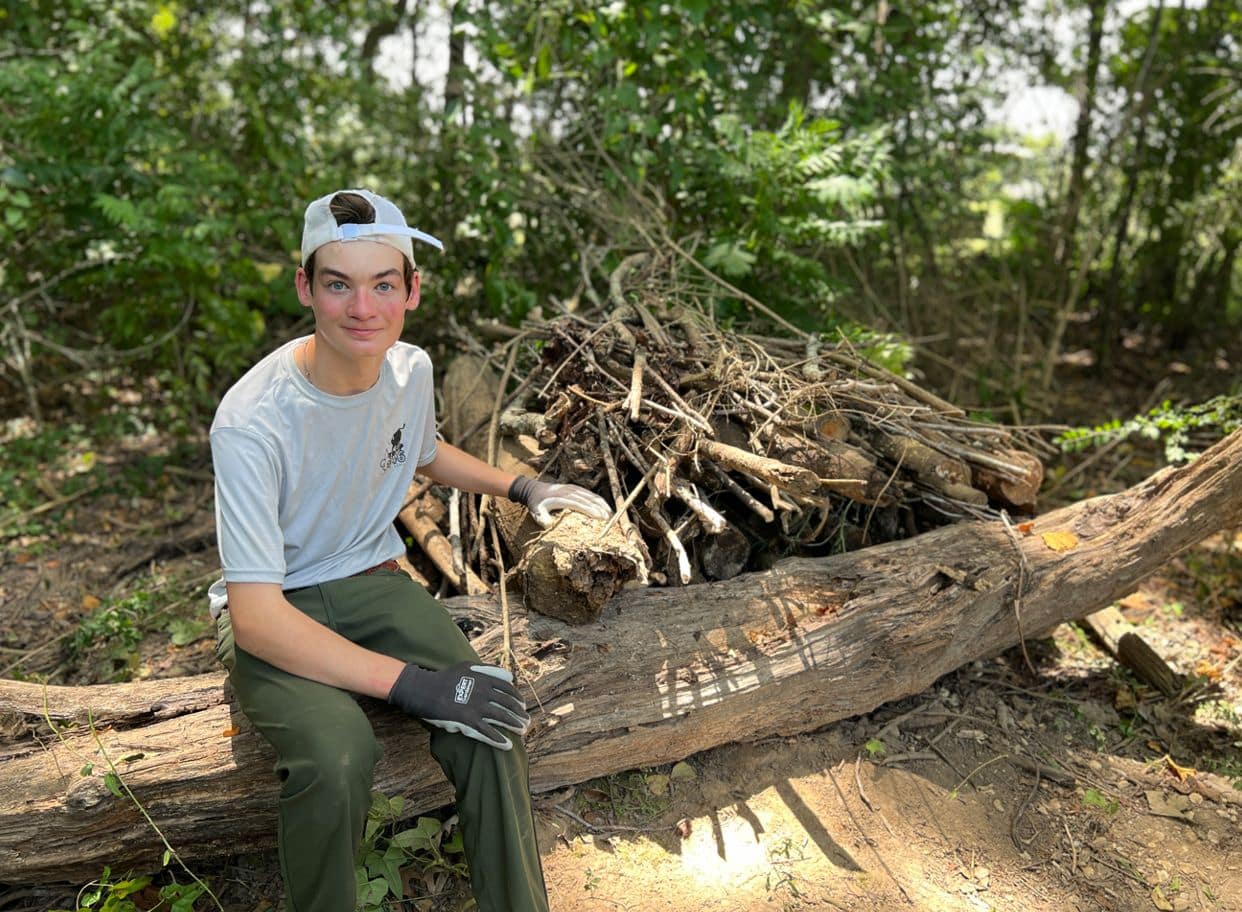
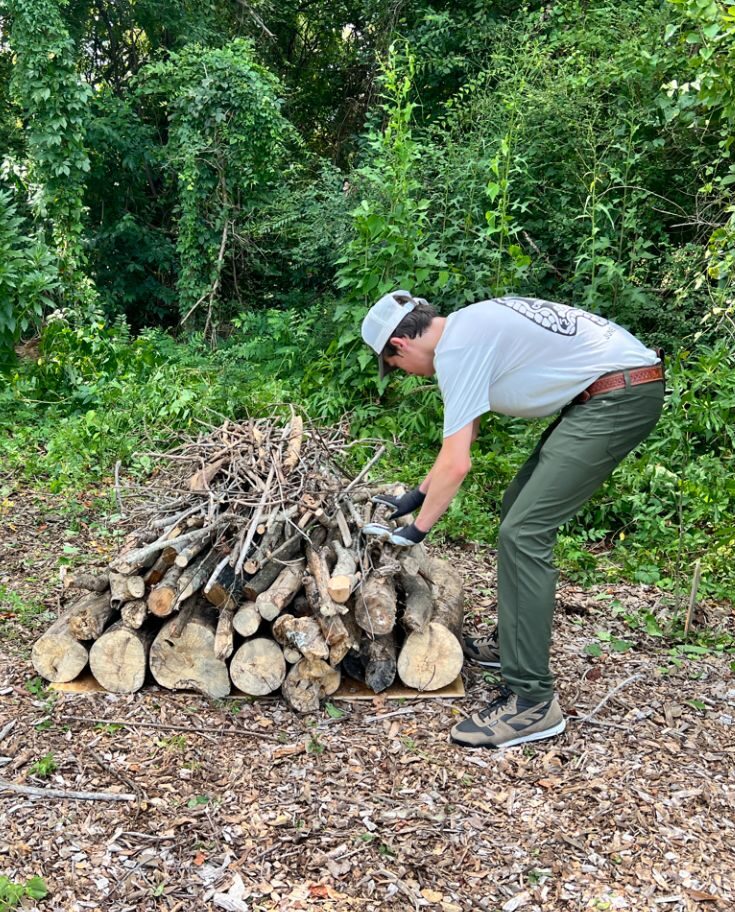
At Moncus Park, stewardship often begins with small actions that create lasting impacts. Recently, those small actions came in the form of four carefully constructed bug hotels, built and installed throughout the Park by Sullivan Hanks, a member of Boy Scouts of America Troop 446, as part of his Eagle Scout project.
With the help of fellow Scouts and the Moncus Park Conservation team, Sullivan led the design and construction of four bug hotels that now provide valuable habitat for some of the Park’s smallest, yet most important, residents.
What Is A Bug Hotel?
In the wild, solitary insect species, like wood-boring beetles and solitary bees, search for cavities in wood to lay eggs. These cavities are typically left by burrowing beetles, woodpeckers, or the tree’s own natural growth. Some species, like carpenter bees, will chew their way through wood to make a nesting cavity. Bug hotels are simply man-made replicas of the natural habitats these organisms search for in the wild, such as hollow stamps, fallen logs, bark crevices, leaf litter, and dead wood. These structures are designed to provide shelter, nesting areas, and overwintering habitat for beneficial insects.
While they may look like whimsical garden decorations, bug hotels serve an important ecological purpose. Many insects depend on safe places to rest, reproduce, and survive through changing seasons.
How Are Bug Hotels Built?
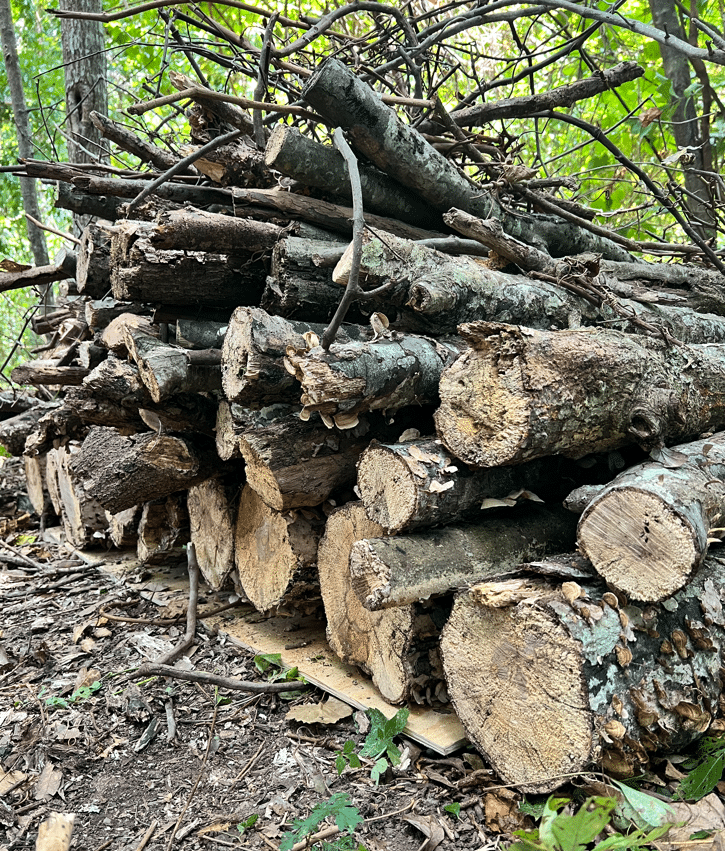
Bug hotels are constructed using a variety of natural materials. Depending on the design they may include:
- Plant stems
- Hollow logs
- Twigs and small branches
- Bark pieces
- Pinecones
- Leaves and grasses
Each material creates different types of spaces that appeal to different insects. Some insects prefer narrow tubes for nesting, while others seek sheltered crevices for protection from weather and predators.
Sullivan and Troop 446 carefully assembled the four structures using these principles, ensuring that each bug hotel could support a diversity of beneficial insect species throughout the year.
Supporting Biodiversity at Moncus Park
Moncus Park is home to a variety of native habitats, including upland pollinator gardens, woodland areas, prairie landscapes, and wetland pond ecosystems. By providing additional habitat for beneficial insects, bug hotels help strengthen the biodiversity that makes these spaces thrive.
Over time, visitors may notice a variety of residents taking advantage of the new structures, including:
- Solitary native bees
- Ladybugs
- Beetles
- Spiders
- Pollinators
These species all play unique roles in supporting healthy ecosystems throughout the Park.
A Lasting Legacy
Earning the rank of Eagle Scout requires leadership, service, and dedication to the community. Through this project, Sullivan created something that will benefit both wildlife and park visitors for years to come.
The bug hotels not only provide valuable habitat but also serve as educational tools, helping visitors connect with the fascinating world of insects and better understand their role in maintaining healthy ecosystems.
We are grateful to Sullivan Hanks, Troop 446, and everyone who contributed their time and effort to this project. Thanks to their hard work, Moncus Park has four new reminders that even the smallest creatures can make a big difference!