By Gabrielle Keaton Breaux, Marketing Manager & Abbie Acosta, Conservation Director
July 9, 2026
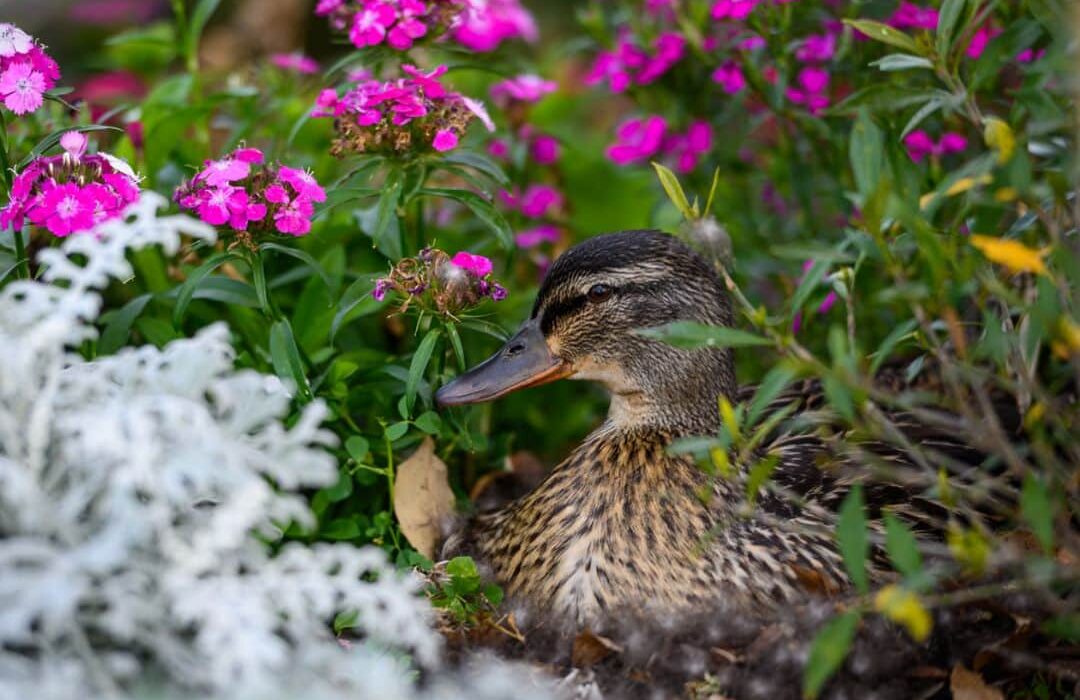
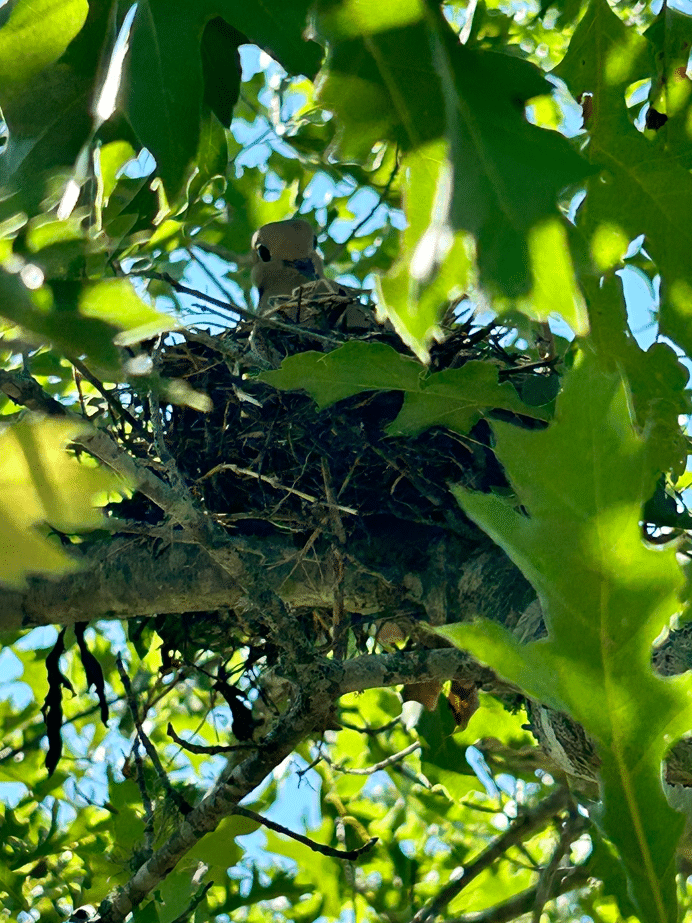
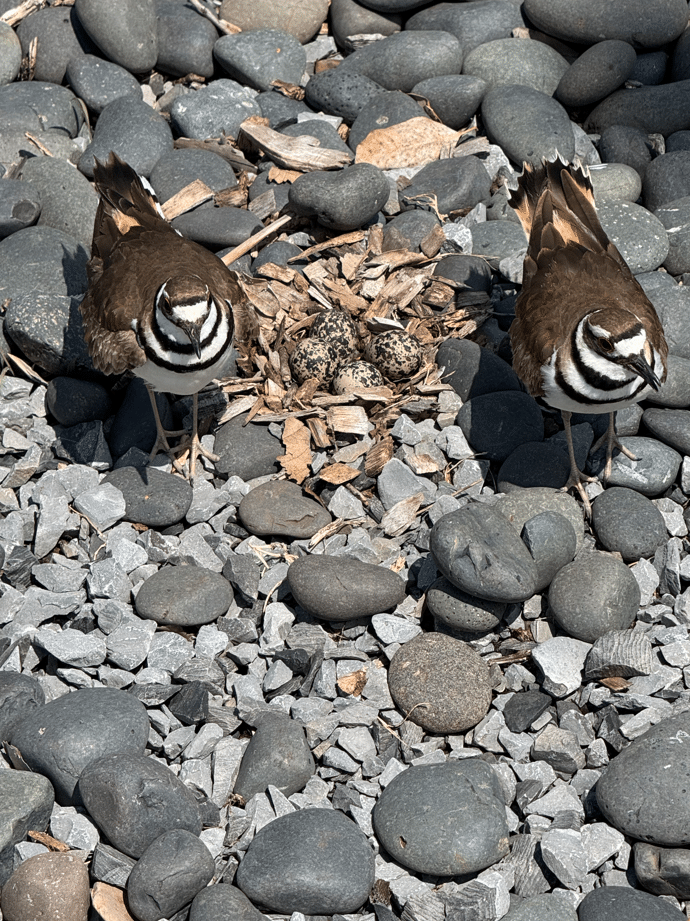
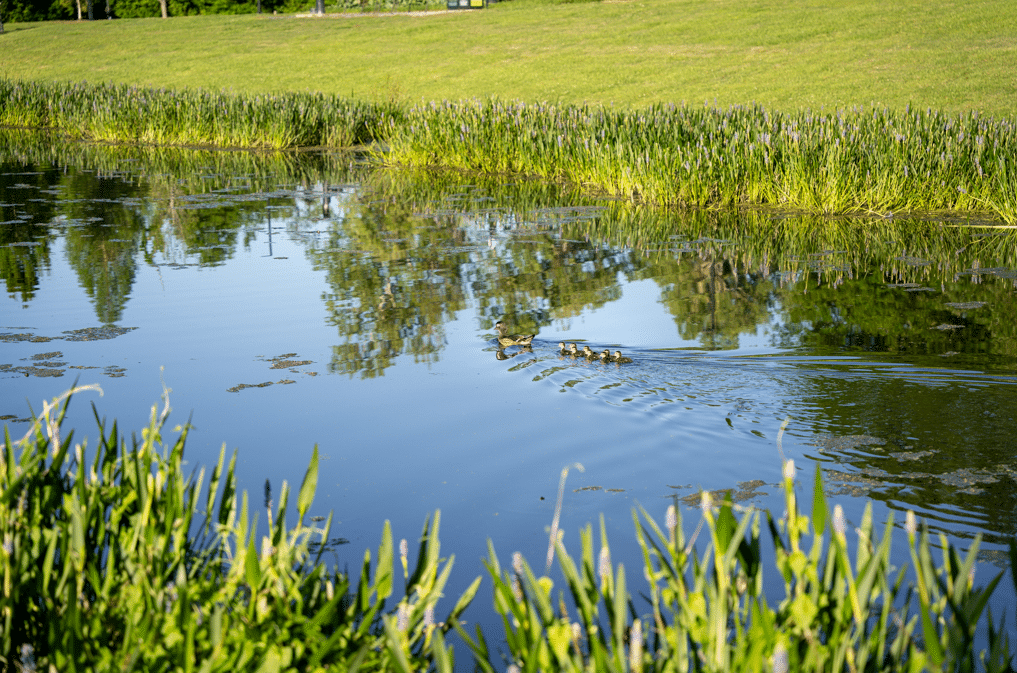
Spring and early summer are some of the most exciting times to experience Moncus Park. The trees are full of fresh leaves, native plants are in bloom, and wildlife is especially active. Among the busiest residents this time of year are the birds, many of which are building nests, raising young, and teaching the next generation how to thrive.
As you explore the park, you may hear the constant chorus of chirping overhead or spot parent birds making frequent trips with insects or seeds tucked in their beaks. It is all part of baby bird season, one of nature’s most remarkable annual events.
From Hatchling to Fledgling
Baby birds are generally called chicks, but their names change as they grow.
A newly hatched bird is known as a hatchling. They are tiny, featherless, and completely dependent on their parents for warmth and food.
As they grow, they become nestlings. During this stage, they remain safely in their nest while their feathers develop and their bodies become stronger.
The final stage before independence is the fledgling stage. Fledglings have left the nest but are still learning how to fly, forage for food, and safely navigate their surroundings. It is common to see them perched on low branches or hopping through the grass as they build strength and confidence.
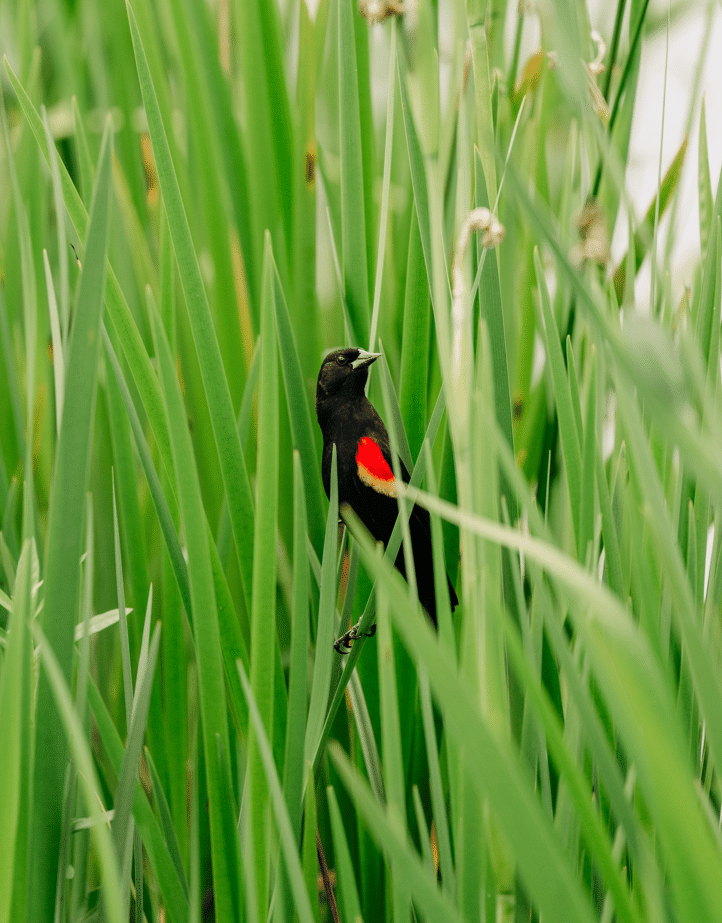
Many familiar bird species call Moncus Park home during nesting season, including cardinals, mockingbirds, wrens, swallows, red-winged black birds, and Chimney Swifts.
What Should You Do If You Find a Young Bird?
Finding a young bird on the ground can be surprising, but it is often completely normal. Fledglings naturally spend several days outside the nest while they practice flying. Although they may appear to be alone, their parents are usually nearby keeping watch and continuing to feed them.
In most cases, the best thing you can do is admire these young birds from a distance and allow nature to take its course. If you are visiting the park with children or pets, be mindful of nesting areas and give wildlife the space it needs.
A Haven for Birds
Urban parks are more than places for recreation. They are essential habitats that help wildlife survive and thrive in the middle of growing cities.
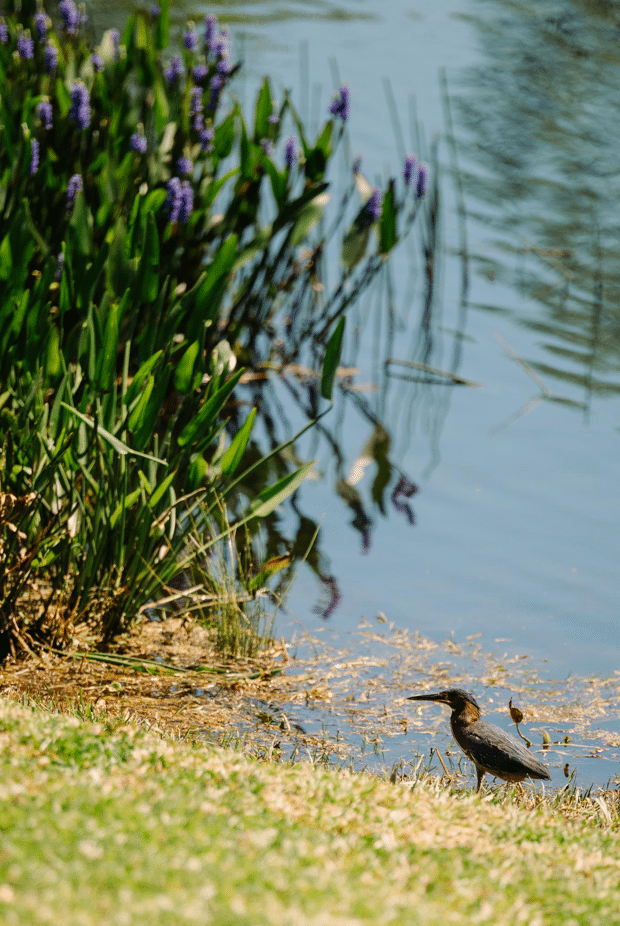
At Moncus Park, native trees, wetlands, lawns, gardens, and naturalized spaces provide birds with the food, shelter, and nesting sites they need throughout the year. These habitats support year-round residents while also serving as important stopovers for migratory birds traveling through Louisiana during their seasonal journeys.
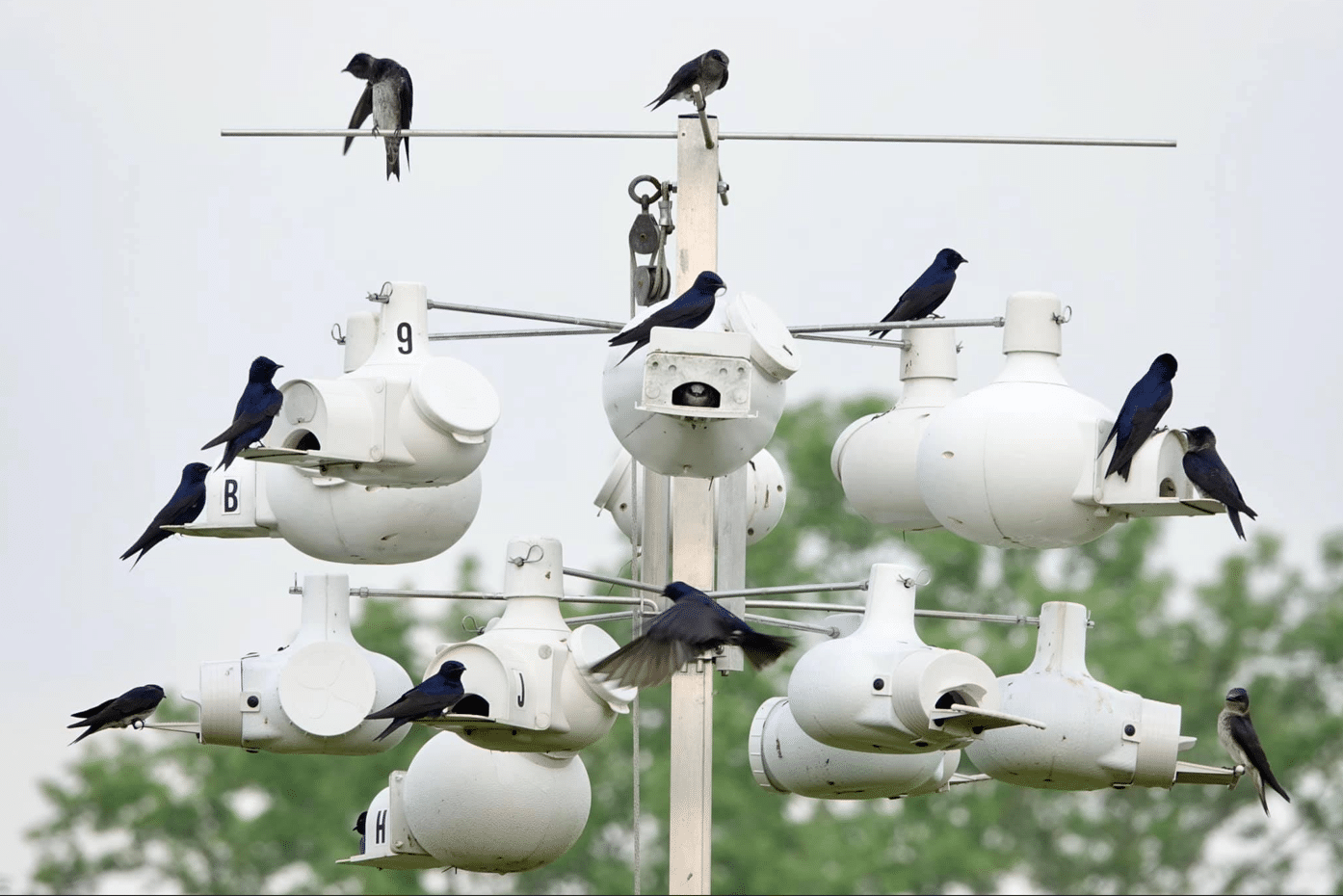
One of the park’s most fascinating seasonal visitors is the Purple Martin, North America’s largest swallow. Every spring, these remarkable birds return to Moncus Park after spending the winter in South America, often traveling thousands of miles to nest in the very same location year after year.
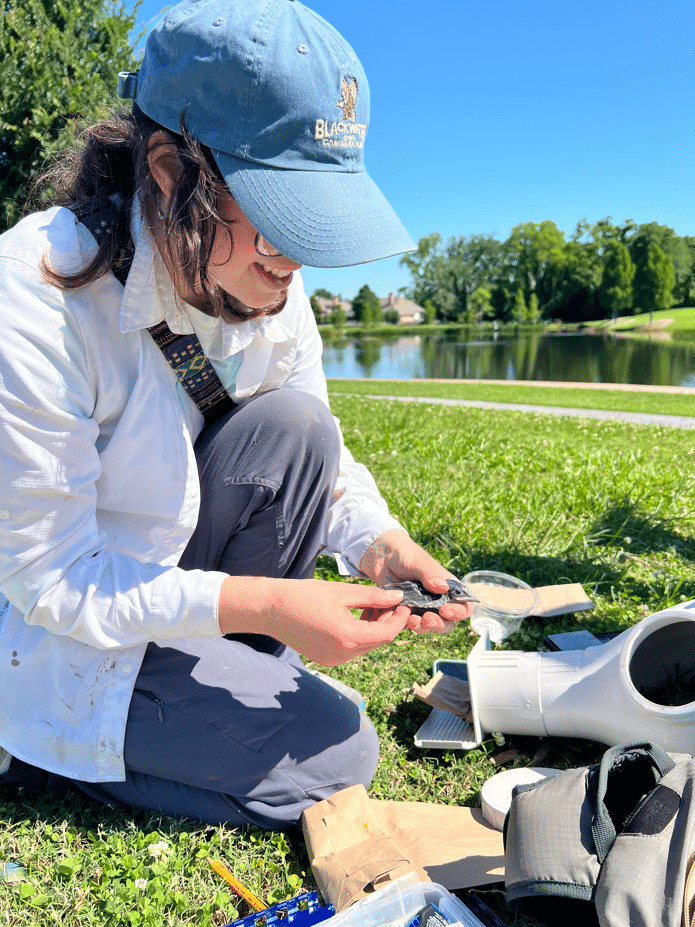
Moncus Park has become an important site for Purple Martin research through an ongoing partnership with the LSU AgCenter. This year marked the third consecutive season of research at the park, where biologists banded nestlings, collected DNA samples, and documented returning adult birds. Confirming these returning residents helps researchers better understand migration patterns, breeding success, and the long-term health of local Purple Martin populations.
Watching these birds arrive each spring is a reminder of the incredible journeys wildlife makes and the importance of preserving safe, healthy habitats along the way.
Supporting Bird Conservation Beyond the Nest
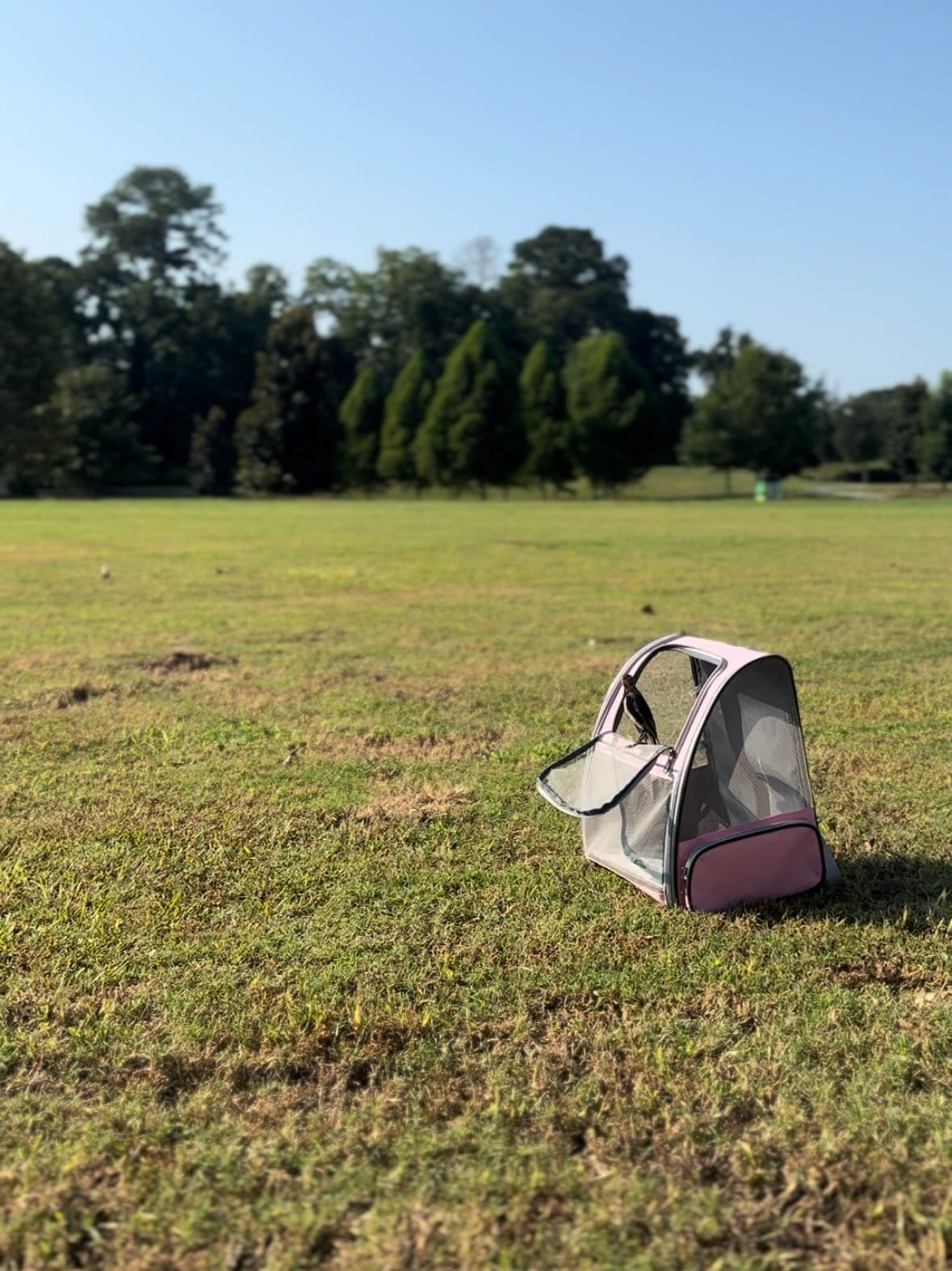
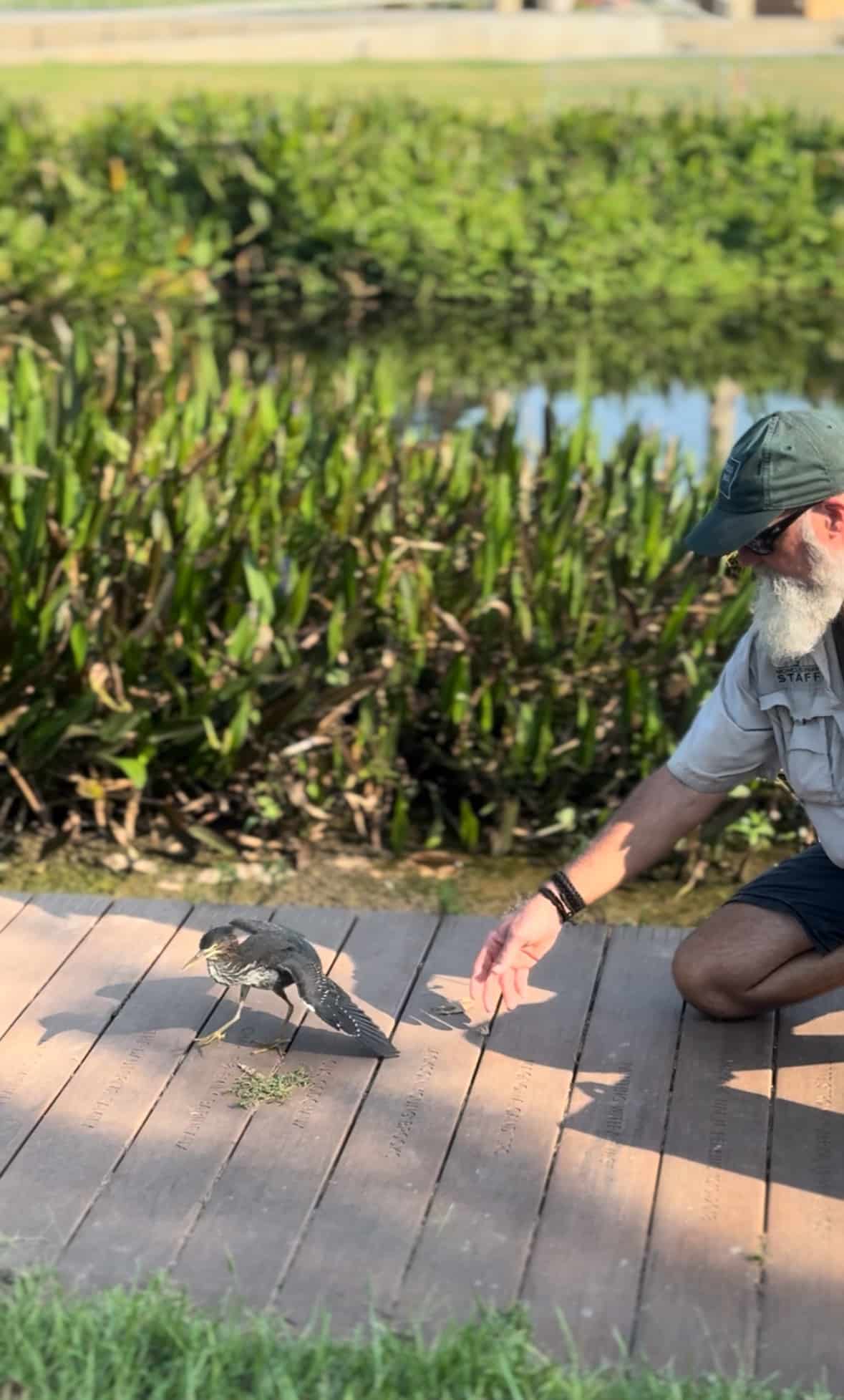
Moncus Park is proud to partner with For The Birds of Acadiana, a local nonprofit dedicated to rescuing, rehabilitating, and releasing injured and orphaned birds throughout the region.
As an official release site, the park provides carefully selected habitat zones where rehabilitated birds can safely return to the wild. In the spring of 2026 alone, 61 rehabilitated birds were successfully released at Moncus Park, giving them the opportunity to begin their next chapter in a healthy, natural environment.
If you find an injured, ill or orphaned bird in the Acadiana Region, please call (337) 501-4523 or visit forthebirdsofacadiana.com for more information on how to help the bird in need.
Discover Nature All Around You
Baby bird season is a reminder that Moncus Park is more than a place to gather with family and friends. It is a living landscape where wildlife flourishes, conservation takes flight, and every season brings new opportunities to connect with nature.
The next time you visit Moncus Park, take a moment to look up and listen.