Gabrielle Keaton Breaux, Marketing Manager
April 14, 2026
Spring at Moncus Park brings more than warmer days and brighter landscapes. It also marks one of the most vibrant times of year to experience the beauty and benefits of native plants.
In honor of Native Plant Month, we’re highlighting some of the blooms visitors can enjoy throughout the Park this season, along with the important role these plants play in creating healthy, resilient green spaces.
More Than a Pretty Landscape
Native plants are species that naturally occur in our region and have adapted over time to Louisiana’s climate, soils, and wildlife. Because they are well suited to local conditions, they often need less water, fewer resources, and less maintenance once established.
Just as importantly, they help support the living systems around us by providing nectar for pollinators, shelter for wildlife, and helping sustain the biodiversity that keeps natural systems in balance.
At Moncus Park, these choices are part of a thoughtful approach to stewardship, creating spaces that are both welcoming for visitors and beneficial for the environment.
What’s Blooming This Month
As you explore the Park this month, keep an eye out for these spring blooms and the value they bring to the landscape.
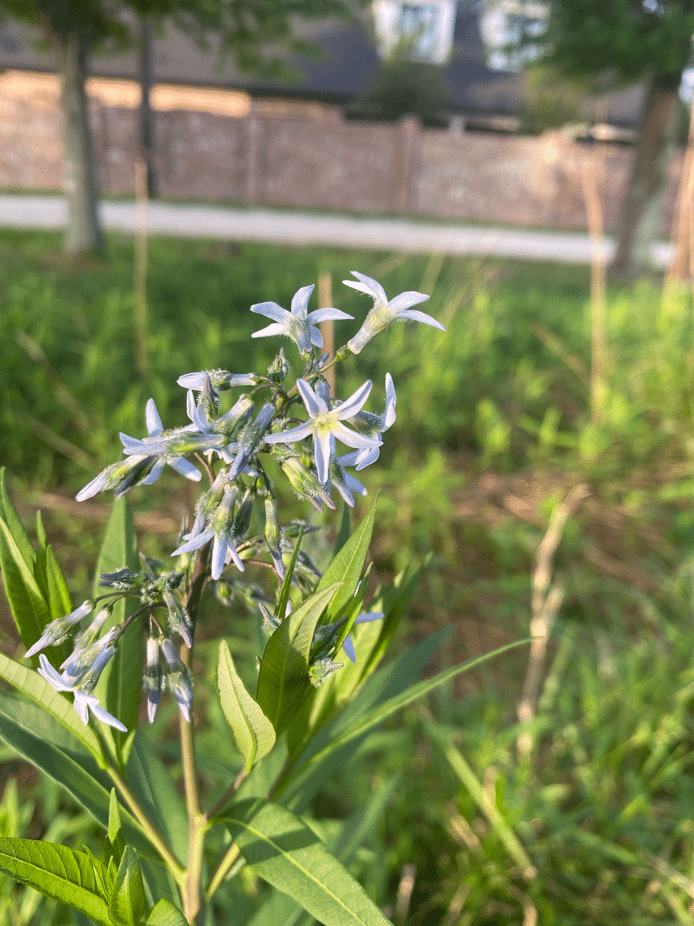
Louisiana Bluestar (Amsonia ludoviciana)
This graceful native perennial features soft blue blooms in spring and adds a gentle texture to garden spaces. Its deep root system also helps improve soil structure.
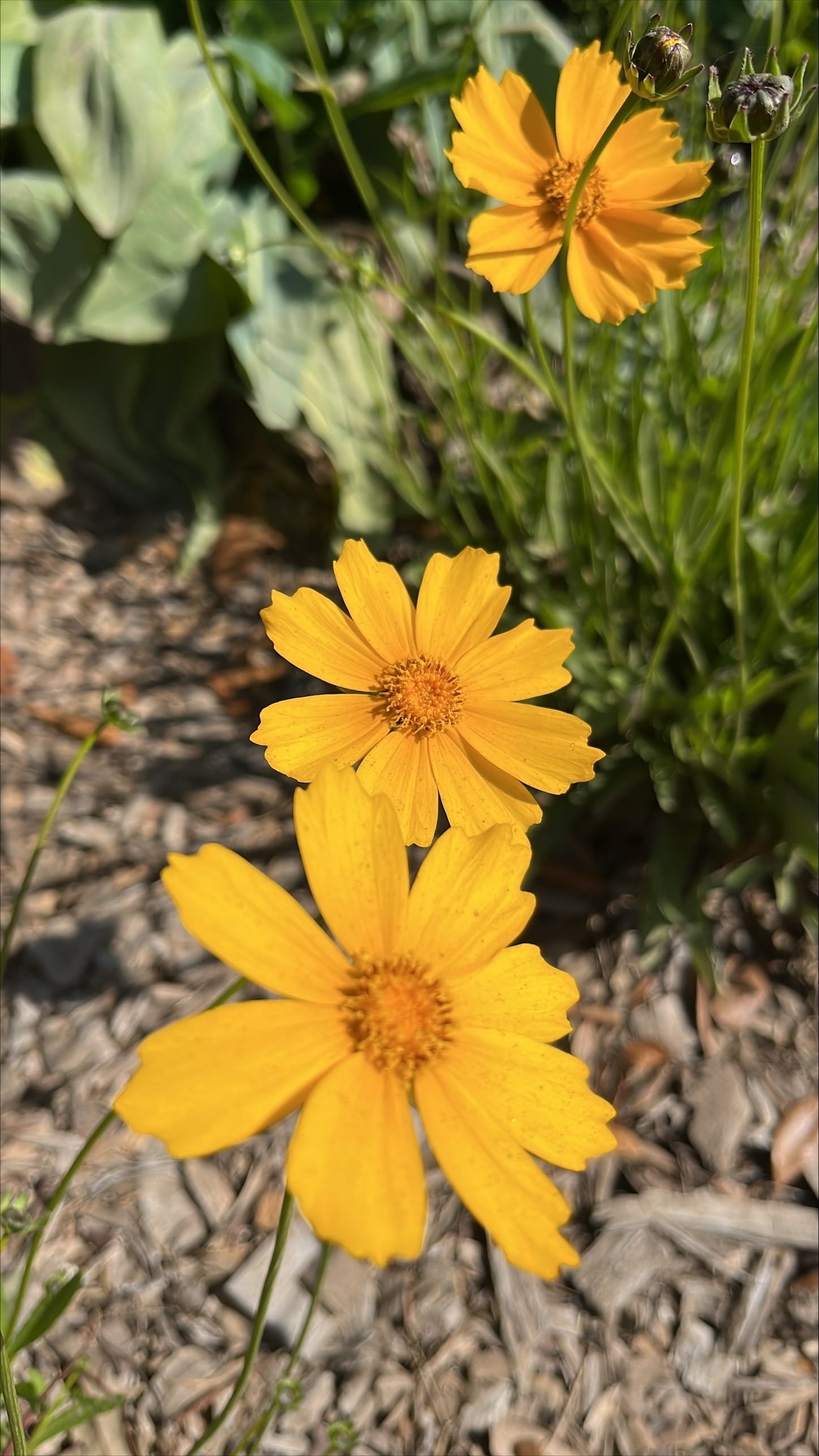
Lanceleaf Coreopsis
One of the season’s brightest blooms, this cheerful wildflower is a reliable source of nectar for bees and butterflies while adding dependable color in sunny spaces.
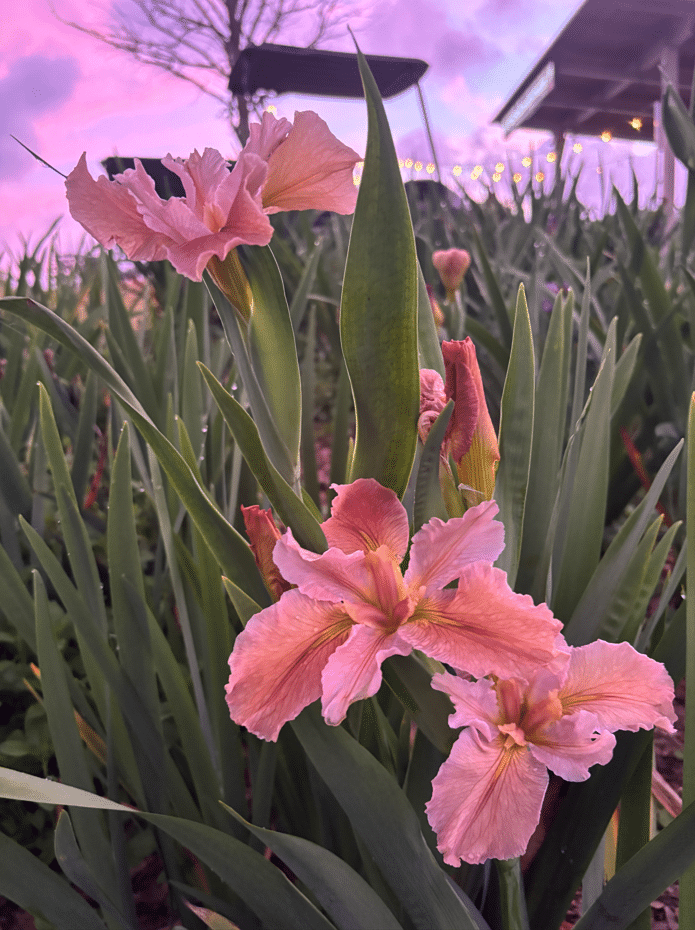
Louisiana Iris Cultivars (Lafayette Honey)
Cultivars like Lafayette Honey are inspired by Louisiana’s native iris species and showcase the beauty of one of our region’s most iconic flowers. Rooted in the genetics of plants that thrive in Gulf South wetlands, they continue the legacy of irises that support water-wise landscapes and celebrate our local horticultural heritage.
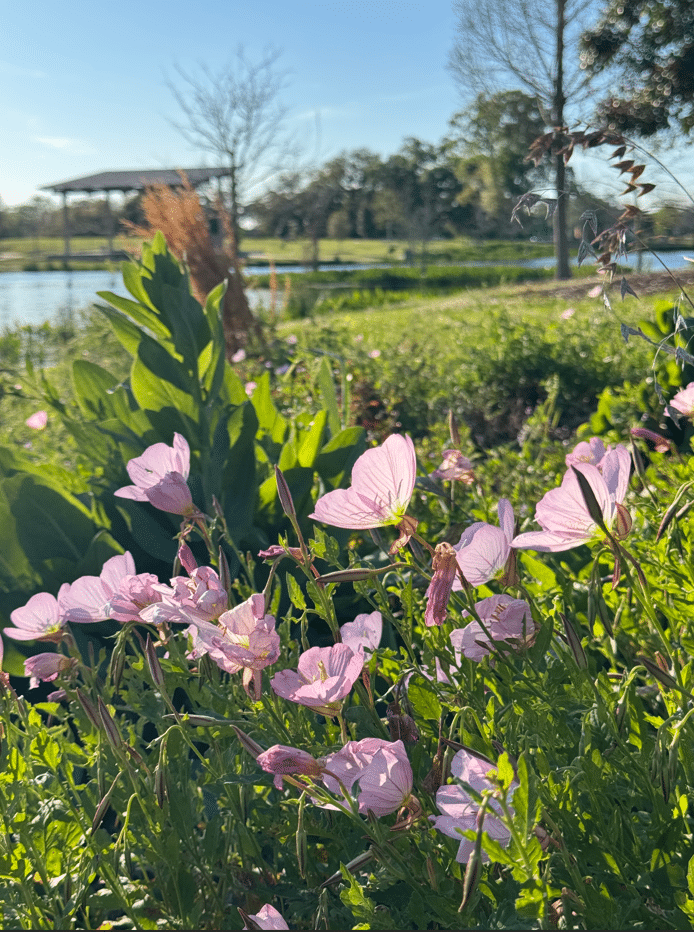
Pink Evening Primrose (Oenothera speciosa)
This delicate pink wildflower spreads easily to help cover bare ground, reducing erosion and supporting pollinators with an accessible nectar source.
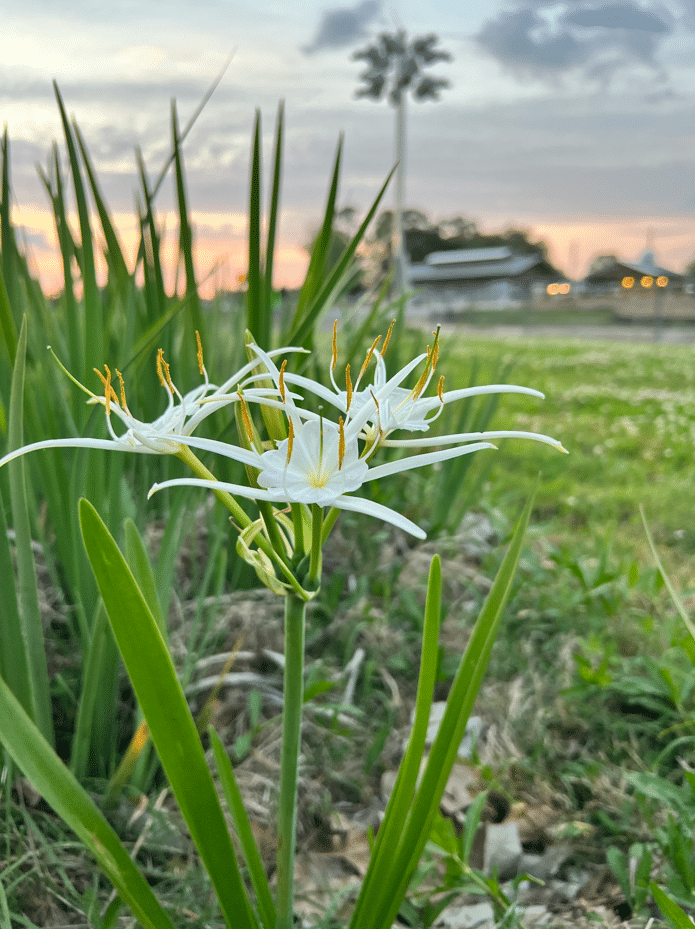
Spring Marsh Spider Lily (Hymenocallis liriosme)
Well adapted to wet conditions, this striking native helps bring life to moisture-rich areas where other plants may struggle, while contributing habitat value near water.
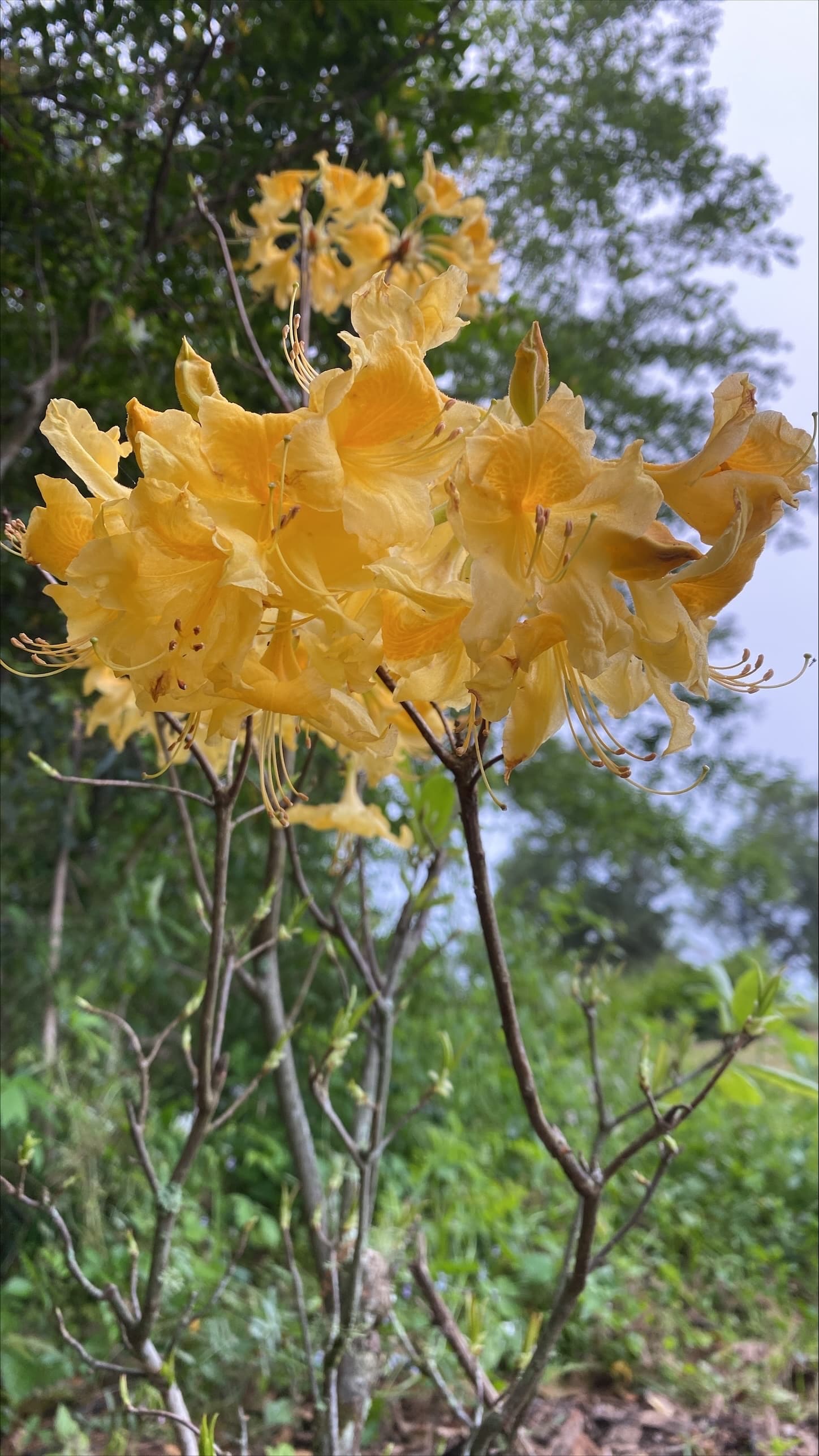
Native Azalea (Rhododendron austrinum)
Blooming at the time when many insects are emerging for the season, native azalea provides an important nectar source for pollinators. Its dense branching habit also creates cover for birds and small wildlife, making it as functional as it is beautiful.
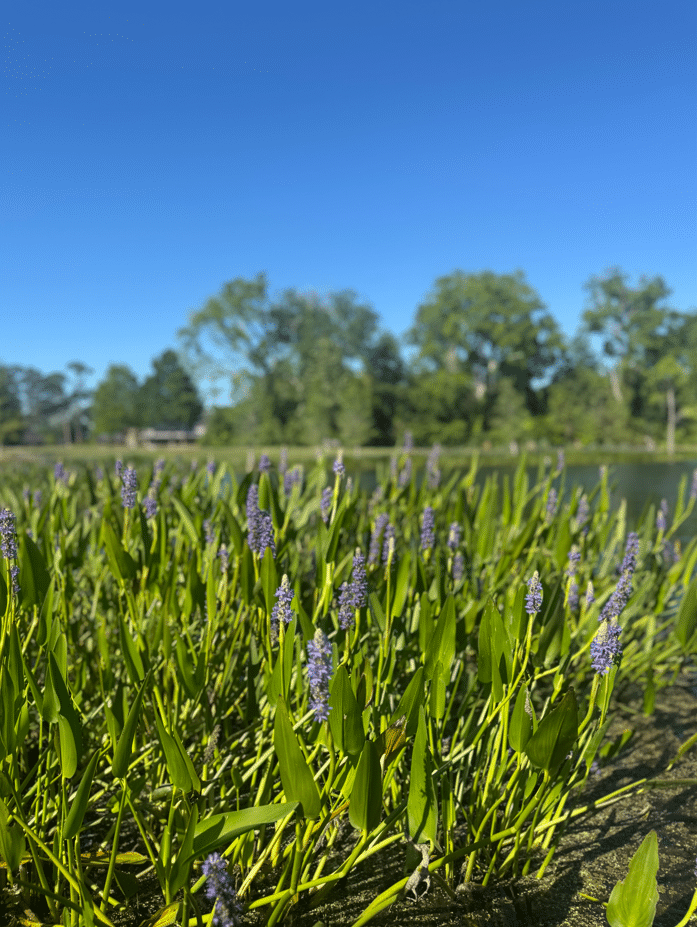
Pickerelweed (Pontederia cordata)
Thriving along ponds and wetland edges, pickerelweed plays an important role in aquatic ecosystems. Its roots help reduce erosion and improve water quality, while its violet-blue blooms provide nectar for bees, butterflies, and other pollinators.
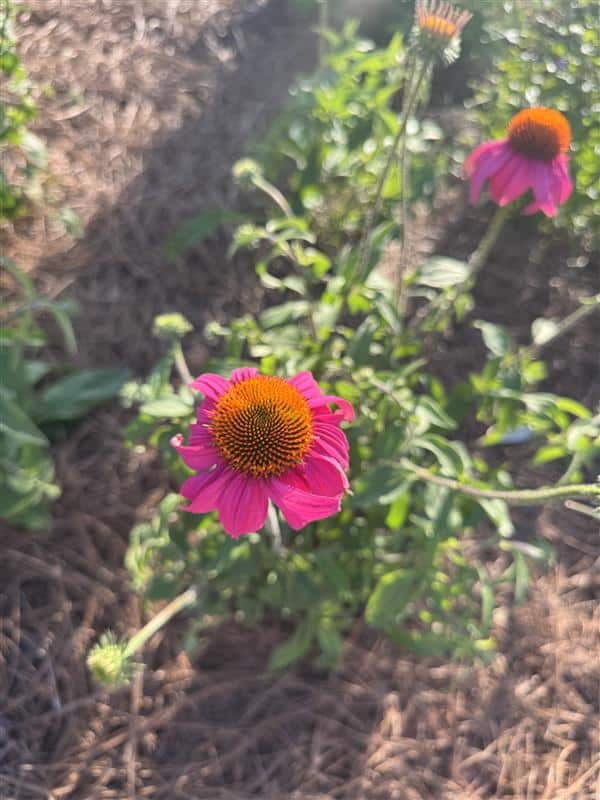
Pink Coneflower (Echinacea)
A powerhouse for wildlife, coneflower attracts bees and butterflies during bloom season, then provides seed heads that birds can enjoy later in the year.
Rooted in Stewardship
The landscapes at Moncus Park are designed to do more than look good in a photograph. They are meant to grow with the seasons, support local ecosystems, and connect our community to the natural beauty of Louisiana. The next time you visit, take a closer look at what’s blooming around you. Behind every flower is a purpose, and behind every planting is a commitment to a healthier, more resilient future.