
By Abbie Judice Acosta, Conservation Director & Mary Allie McGoffin, Marketing Director
September 25, 2025
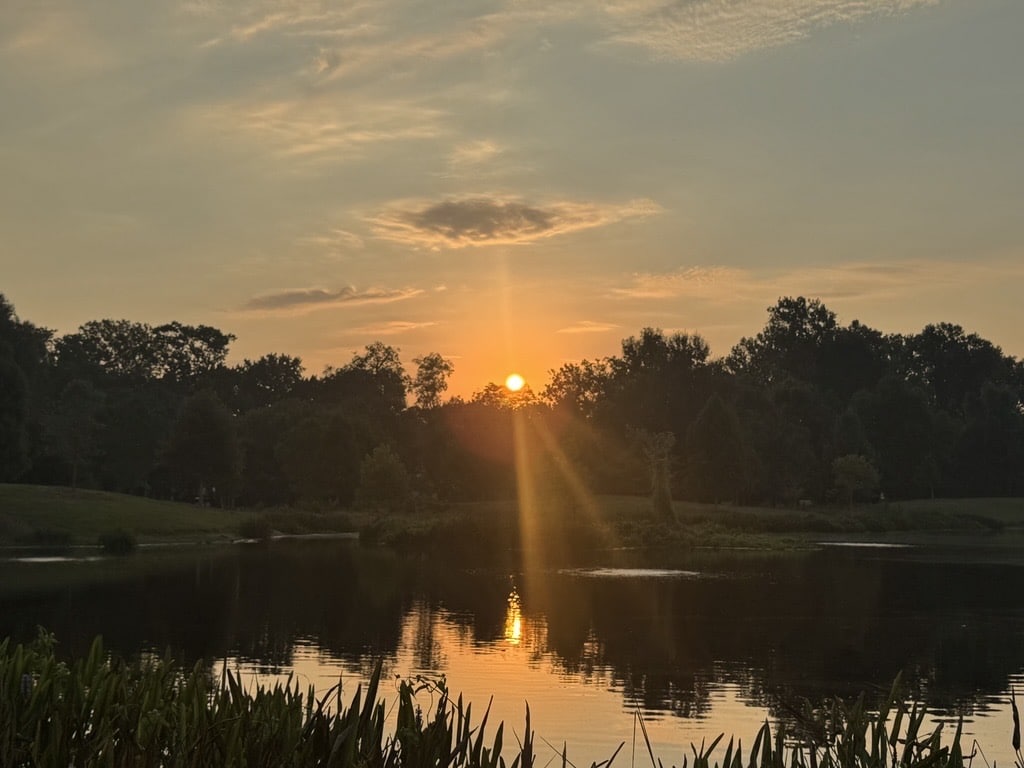
Moncus Park is irrigated primarily using water from the wetland pond, which is supplied with stormwater from the surrounding neighborhoods. Every time it rains, the park plays an important role in capturing, filtering, and reusing this water to support the health of our landscape and our larger watershed.
What Is a Watershed?
A watershed is an area of land that channels rainfall into larger water systems like creeks, streams, and rivers, eventually reaching an even larger body of water. Lafayette Parish is part of the Teche-Vermilion Watershed. When it rains in our community, water flows into roadside ditches, down storm drains, through coulees, and ultimately into the Bayou Vermilion.
Every drop of water that falls here connects us to something larger.
How Parks Help
Urban parks are more than places to relax and play. They also support the health and sustainability of watersheds. Greenspaces like forests, wetlands, and native landscapes act as natural sponges. They absorb and hold rainwater, reduce runoff, and prevent pollutants from entering waterways. By slowing, storing, and filtering stormwater, greenspaces like Moncus Park improve water quality and help protect surrounding communities.
Moncus Park’s Role
Moncus Park was designed with watershed health in mind. Our rain garden, wetland pond, native plantings, and preserved woodland and ravine areas all work together to slow and filter the volume of water that flows into the Coulee Mine during heavy rains. This helps lower the risk of flooding and also improves the quality of water before it reaches the Vermilion River or seeps into underground aquifers.
Fertilizers, pesticides, and pet waste can be harmful if they reach waterways. In Moncus Park, these pollutants are treated naturally by the landscape before they collect at unsafe levels for people and wildlife. Litter such as plastic wrappers and cigarette butts is also managed on-site, reducing the pollution that would otherwise flow downstream into the Bayou Vermilion.
Moncus Park shows how thoughtful design and care for the land can make a lasting difference for the health of our community.
Conservation Value
A healthy watershed supports dynamic water movement, habitats for aquatic and riparian species, and strong water quality. Healthy watersheds strengthen local ecosystems and provide lasting benefits to the people and wildlife that depend on them.
Cultural Value
The Teche-Vermilion Watershed is woven into Acadiana’s history and identity. It is the reason Lafayette was founded where it is today and has supported fishing, agriculture, and recreation for generations. Protecting this watershed ensures that locals and visitors alike can continue to enjoy the Bayou Vermilion for paddling, fishing, festivals, and the simple joy of being near the water.
Looking Ahead
By applying nature-based solutions to stormwater management, Moncus Park plays a vital role in watershed health. Every rainfall is a reminder that we are all connected through the land and the water that sustain us.
When you visit Moncus Park, you’re part of something bigger. Every walk, every picnic, and every moment spent here helps sustain the land and water that make our community thrive.
Together, we can protect our water, our wildlife, and our home for generations to come.
Sources:
Bayou Vermilion District • Louisiana Watershed Initiative • Environmental Protection Agency • National Oceanic and Atmospheric Administration